In today's increasingly digital world, understanding the various computer ports on your device is essential for ensuring both proper functionality and safety. Whilst many of us routinely plug in cables and peripherals without a second thought, taking the time to differentiate between port types and follow best practices can prevent costly damage and connection errors. This guide offers practical advice on identifying common ports, implementing essential safety precautions, and avoiding the pitfalls that often accompany everyday device connections.
Understanding Different Types of Computer Ports and Their Functions
Modern computers feature a diverse array of ports designed to accommodate specific types of connections. Each port serves a distinct purpose, and recognising these differences is the first step towards making informed decisions about which cables and devices to use. From data transfer to video output, every connection point on your machine has been engineered to support particular functions, and knowing how to identify them will help you avoid frustration and potential hardware issues.
Identifying USB, HDMI, and Thunderbolt Ports on Your Device
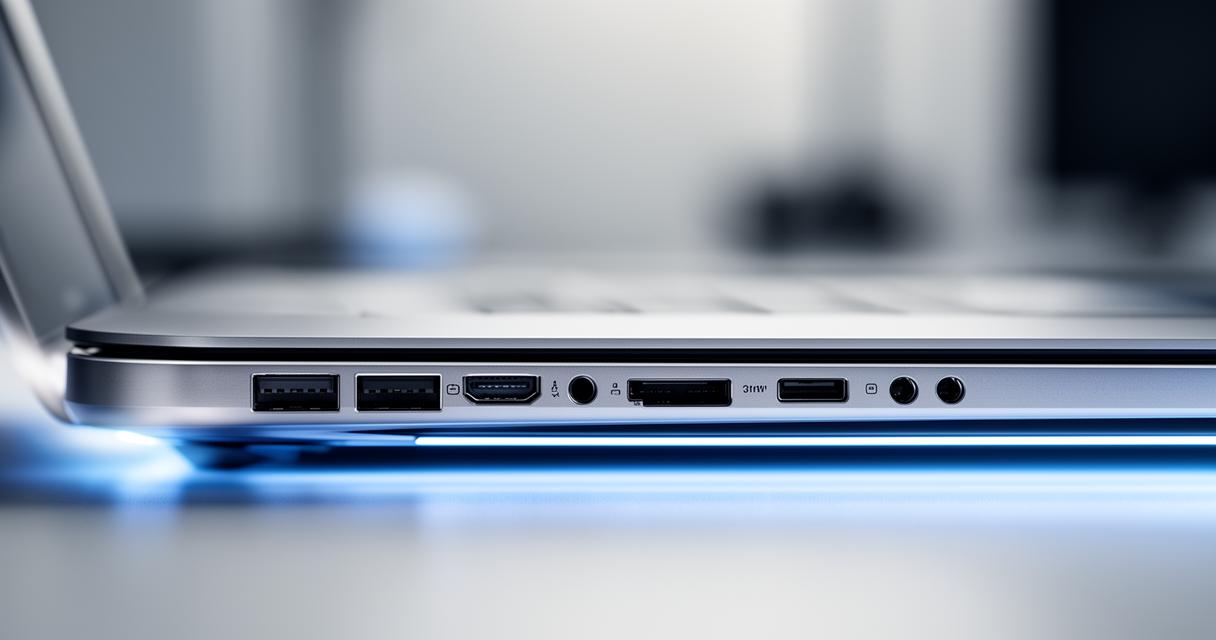
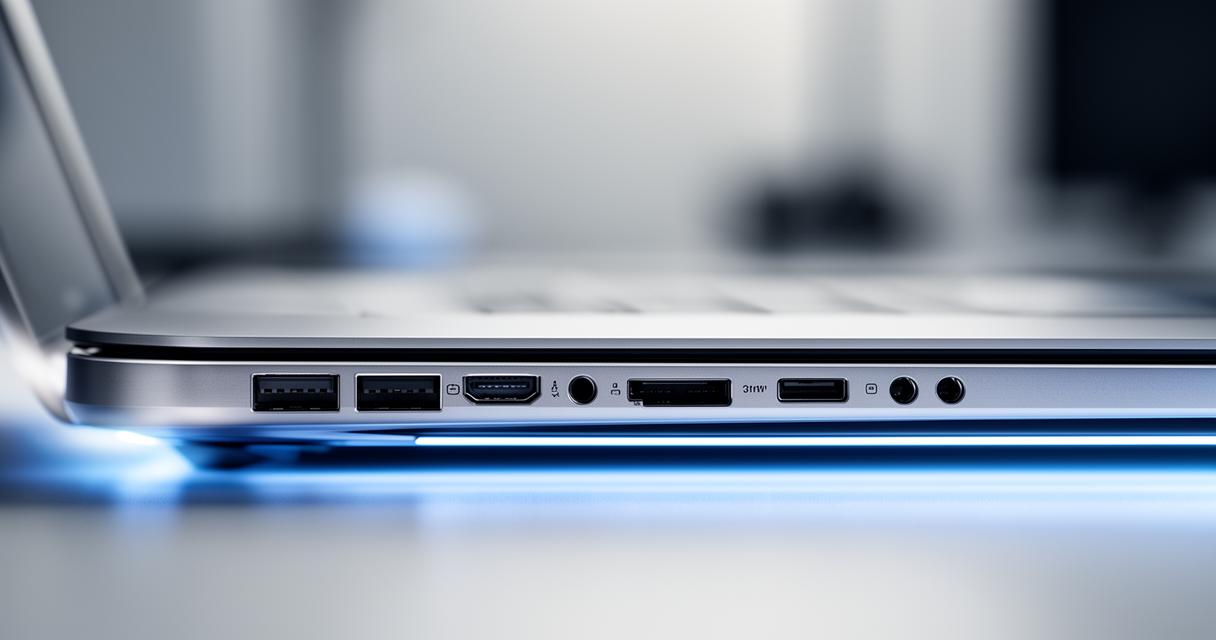
Among the most commonly encountered ports are USB, HDMI, and Thunderbolt. USB ports, available in various iterations, are typically used for data transfer and charging devices, making them indispensable for connecting keyboards, mice, external drives, and smartphones. HDMI ports, on the other hand, are dedicated to video output, allowing you to link your computer to monitors, televisions, and projectors with ease. Thunderbolt ports represent a more advanced option, facilitating high-speed data transfer and the ability to connect multiple devices simultaneously through a single port. Understanding the capabilities of each type ensures that you select the appropriate connection method for your specific needs.
Recognising port shapes and their specific purposes
Beyond the functional distinctions, ports also differ in their physical design. USB connectors, for instance, come in several shapes, including the traditional rectangular Type-A, the smaller Type-C, and the older Mini and Micro variants. Audio ports are typically round and colour-coded, whilst network connections often feature a slightly wider rectangular shape to accommodate Ethernet cables. Video ports such as HDMI and DisplayPort have unique contours that prevent incorrect insertions. Familiarising yourself with these shapes not only helps you identify the correct port at a glance but also reduces the risk of forcing a connector into the wrong socket, which can cause irreversible damage.
Essential safety precautions when connecting devices to computer ports
Establishing safe connection practices is crucial for maintaining the longevity of both your computer and its peripherals. Proper handling and awareness of potential hazards can significantly reduce the likelihood of physical damage and electrical issues. By adopting a few straightforward precautions, you can protect your investment and ensure that your equipment continues to operate reliably over time.
Proper insertion techniques to avoid physical damage
One of the most important aspects of port safety is ensuring that connectors are inserted correctly. Always examine the shape and orientation of both the port and the cable before attempting to connect them. Many connectors are designed to fit only one way, and forcing a cable into a port can bend pins, damage internal components, or break the connector itself. It is advisable to align the cable gently and insert it with a steady, even pressure rather than applying excessive force. Regular cleaning of ports to remove dust and debris is also beneficial, as accumulated particles can obstruct connections and lead to disconnections or poor contact. In industrial settings, where equipment such as industrial computers may be subjected to harsh conditions, using port covers to protect unused ports is a prudent measure that prevents contamination and wear.
Preventing electrical issues and short circuits during connections
Electrical safety is another critical consideration when connecting devices to your computer. Before plugging in any peripheral, ensure that both the device and the computer are powered off or in a safe state to minimise the risk of short circuits. This is particularly important when dealing with older or non-standard equipment that may not have built-in surge protection. In high-vibration environments, such as manufacturing facilities, screw-lock ports are recommended to maintain secure connections and prevent accidental disconnections that could lead to electrical faults. Additionally, respecting the bend radius of cables is essential; excessive bending or twisting can damage internal wiring and create hazardous conditions. Employing protective sleeving and strain relief fittings further safeguards cables from wear and tear, ensuring that connections remain stable and safe over extended periods. Thoughtful mounting configuration also plays a role in accessibility and safety, reducing the likelihood of accidental damage during routine use or maintenance.
Common Connection Mistakes and How to Avoid Them
Despite the best intentions, connection errors remain a frequent source of frustration for computer users. Many of these mistakes stem from a lack of familiarity with port types and the specific requirements of different devices. By understanding the most common pitfalls and implementing straightforward solutions, you can streamline your setup process and avoid the inconvenience of troubleshooting persistent issues.
Selecting the Correct Cables and Connectors for Each Port Type
One of the most prevalent mistakes is using the wrong cable or connector for a given port. Each port type is designed to work with a specific connector, and attempting to use an incompatible cable can result in poor performance or complete failure to establish a connection. For instance, a USB Type-C cable may appear similar to a Thunderbolt cable, but the two standards are not always interchangeable, particularly when it comes to data transfer speeds and power delivery. Similarly, using an HDMI cable of insufficient quality for high-resolution video output can lead to signal degradation or no display at all. To avoid these issues, always verify that your cables and connectors match the specifications of your ports and devices. Investing in high-quality, certified cables from reputable manufacturers can also reduce the risk of connection problems and ensure optimal performance.
Troubleshooting connection errors and port recognition problems
When a device fails to connect or a port does not recognise a peripheral, the root cause can often be traced to simple oversights. Begin by checking that the cable is securely inserted at both ends and that there are no visible signs of damage. Dust or debris in the port can impede proper contact, so regular cleaning with compressed air or a soft brush is advisable. If the problem persists, restarting both the computer and the peripheral device can resolve temporary software glitches. In some cases, outdated drivers or firmware may prevent proper port recognition, so ensuring that your system is up to date is another essential troubleshooting step. For industrial computers and other specialised equipment, consulting the manufacturer's guidelines on cable management and proper handling can provide valuable insights into maintaining reliable connections. Preventive maintenance, including periodic inspections of ports and cables, is a proactive approach that minimises downtime and extends equipment longevity. By addressing potential issues before they escalate, you can maintain a stable and efficient computing environment.