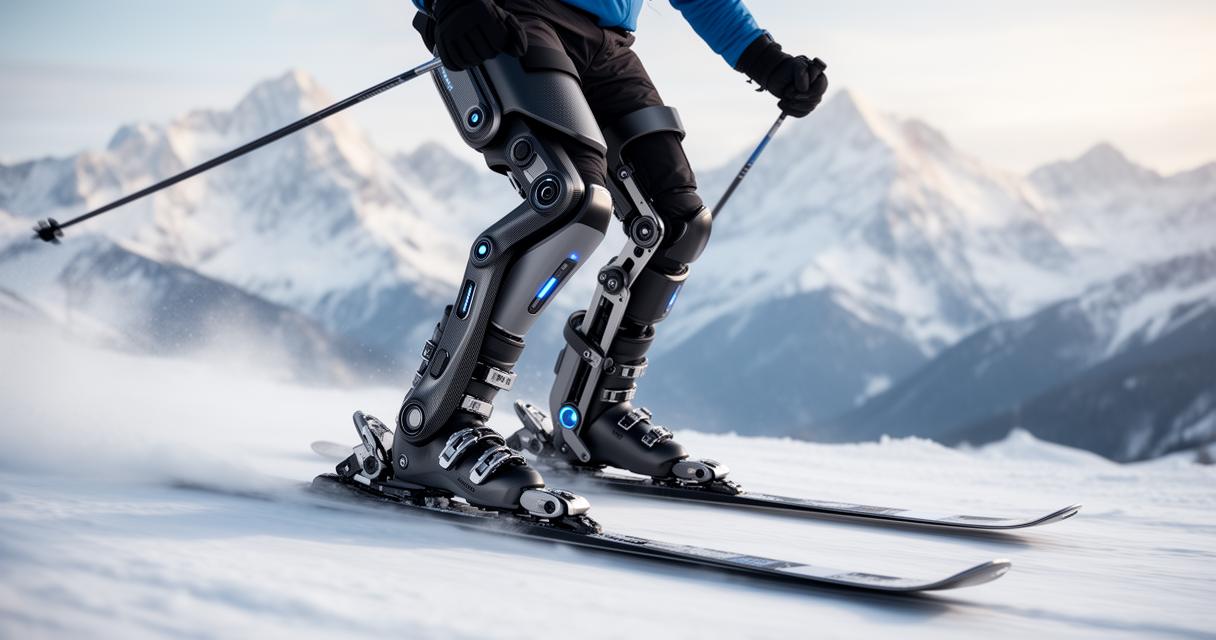
The mountains have always beckoned adventurers with promises of exhilaration and challenge, yet the physical toll of skiing and snowboarding often limits how long enthusiasts can enjoy their passion. Enter the ski exoskeleton, a technological marvel that is transforming the way people experience winter sports. This innovation has captured the attention of recreational skiers and mountain professionals alike, offering a blend of performance enhancement and physical support that was once unimaginable. As with any groundbreaking technology, understanding what you will actually pay for such a device involves looking beyond the sticker price to consider the profound benefits it delivers both on and off the slopes.
Understanding ski exoskeleton technology and its performance benefits
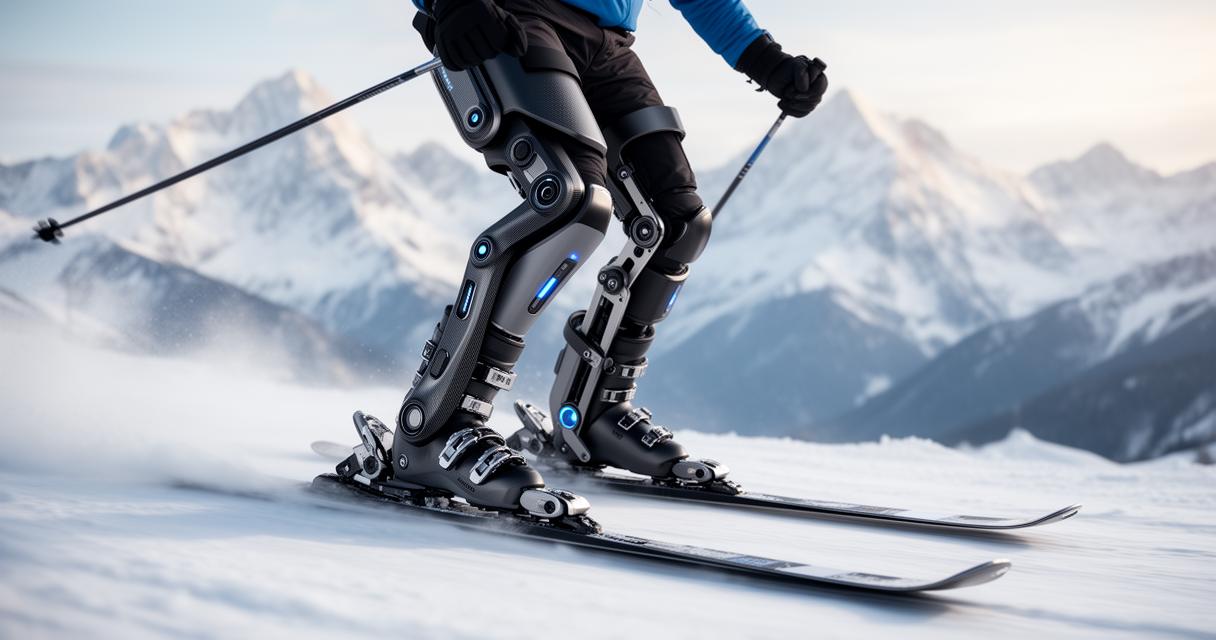
Ski exoskeletons represent a fusion of mechanical ingenuity and practical design, aimed squarely at addressing the physical demands that winter sports place on the human body. Unlike bulky, battery-powered contraptions that might spring to mind when thinking of exoskeleton technology, modern ski exoskeletons such as the Ski~Mojo are surprisingly discreet and straightforward. They slip beneath ski trousers and require no electronics or batteries, relying instead on a patented mechanical system that works with the natural movement of your body. This design philosophy ensures durability and low maintenance, critical factors for equipment exposed to harsh mountain conditions.
The core principle behind these devices is simple yet remarkably effective. By redistributing the weight and forces exerted on your legs during skiing or snowboarding, the exoskeleton lifts approximately one third of the strain away from your knees, hips, and back. This redistribution allows skiers to maintain better control over their movements, enhancing edge grip and overall technique. For those who have struggled with joint pain or muscular fatigue, the difference can be transformative. The mechanical assistance provided by the exoskeleton means that your muscles are not working as hard to stabilise and propel you down the slopes, which translates directly into extended endurance and a more enjoyable experience.
How electric assistance and patented designs transform your technique
Although the term electric assistance might suggest complex electronics, the reality with ski exoskeletons like Ski~Mojo is refreshingly different. These devices operate purely through mechanical means, harnessing the energy of your own movements to provide support. The patented design uses springs and levers that activate as you flex and extend your legs, creating a supportive force that counteracts the natural compression and strain experienced during descents. This approach not only simplifies the equipment but also eliminates concerns about battery life or electronic failures in freezing temperatures.
The impact on technique is subtle yet significant. Skiers wearing an exoskeleton often report improved control over their skis, with enhanced ability to grip the snow and execute precise turns. This improvement stems from the reduced muscular fatigue that allows for more consistent and deliberate movements. When your legs are not constantly battling exhaustion, you can focus on refining your technique rather than merely surviving the run. For athletic skiers seeking to push their performance to new heights, this mechanical support can mean the difference between a good day on the slopes and a truly exceptional one.
The science behind enhanced endurance and reduced muscular fatigue
The human body is remarkably adaptable, but it has its limits, especially when subjected to the repetitive stresses of skiing or snowboarding. Muscular fatigue sets in as energy stores deplete and micro-damage accumulates in muscle fibres. Ski exoskeletons intervene in this process by reducing the load on key muscle groups, particularly those around the knees and hips. By lifting roughly one third of the weight off your legs, the device allows these muscles to work more efficiently and for longer periods without reaching the point of exhaustion.
Research and user feedback consistently highlight the tangible benefits of this technology. Around 90% of users report experiencing reduced aches and muscle strain, with many noting that they can ski for longer durations and recover more quickly after a day on the mountain. The preservation of muscle strength throughout the day also contributes to improved safety, as tired muscles are more prone to lapses in control that can lead to accidents. For individuals dealing with chronic knee, hip, or back pain, the exoskeleton offers a means to continue enjoying winter sports without exacerbating their conditions. The science is straightforward: by reducing the biomechanical stress on vulnerable joints and muscles, the exoskeleton enables users to maintain their physical capabilities and extend their time on the slopes.
Investment breakdown: what skiers actually pay for exoskeleton innovation
When considering the acquisition of a ski exoskeleton, the initial cost is naturally a primary concern. However, understanding what you are truly paying for requires a broader perspective. The price reflects not only the advanced engineering and high-quality materials that go into manufacturing a durable, battery-free mechanical device but also the extensive research and development that underpin its effectiveness. Made in France and trusted by over 40,000 users including approximately 1,000 mountain professionals, ski exoskeletons like Ski~Mojo have established a track record that justifies the investment.
For those ordering from outside Europe, particularly in the United States, it is important to factor in customs duties, which can range from 15% to 50% depending on classification and local regulations. While this adds to the overall cost, many users find that the benefits far outweigh these additional expenses. The device itself is designed for longevity, with minimal maintenance requirements and no recurring costs for batteries or electronic components. This makes it a one-time investment that continues to deliver value season after season, unlike consumable products or gear that requires frequent replacement.
Comparing costs for enthusiasts versus professional athletes
The value proposition of a ski exoskeleton varies somewhat depending on the user's level of engagement with the sport. For recreational enthusiasts who ski a few weeks each year, the investment may seem substantial at first glance. However, these skiers often benefit the most from the device, as it allows them to maximise their limited time on the slopes without being sidelined by pain or fatigue. The ability to extend each ski day and reduce recovery time means more runs, more enjoyment, and a better return on the overall cost of a ski holiday.
Professional athletes and mountain workers, on the other hand, view the exoskeleton as an essential tool that directly impacts their livelihood and performance. For ski instructors, patrollers, and guides who spend nearly every day on the mountain, the reduction in cumulative strain on their bodies is invaluable. The device helps prevent long-term joint damage and extends their careers by mitigating the wear and tear that comes with constant physical exertion. In this context, the cost is easily justified as a professional expense that protects both health and earning potential. Surveys indicate that 87% of users adapt to wearing the Ski~Mojo in less than half a day, which means minimal disruption to their routine while delivering immediate and ongoing benefits.
Long-term value through energy restoration and health benefits
Beyond the immediate performance gains, the long-term health benefits of using a ski exoskeleton contribute significantly to its overall value. Chronic joint pain and muscular fatigue are common complaints among avid skiers, often leading to reduced participation or even complete withdrawal from the sport. By addressing these issues proactively, the exoskeleton allows users to maintain an active lifestyle well into their later years. The reduction in knee, hip, and back pain reported by 90% of users means fewer visits to physiotherapists and a lower likelihood of requiring surgical interventions down the line.
Energy restoration is another critical factor. The mechanical support provided by the exoskeleton means that your muscles do not deplete their energy reserves as quickly, allowing for quicker recovery between runs and after a full day of skiing. This translates into sustained performance throughout a ski trip and less downtime needed for recuperation. For families and groups, this can mean more time spent together on the slopes rather than waiting for someone to rest and recover. The cumulative effect of these health benefits over years of use represents a substantial return on investment, both in terms of enjoyment and physical wellbeing.
Beyond the Slopes: Expanding Your Exoskeleton Experience to Hiking and Biking
While ski exoskeletons are primarily designed for winter sports, their mechanical principles and benefits extend naturally to other outdoor activities. Hiking, particularly in mountainous terrain, places similar demands on the legs and joints as skiing does. The same redistribution of weight and reduction in muscular strain that benefits skiers can also make long ascents and descents more manageable for hikers. This versatility adds another dimension to the value of the investment, as the device can be used across multiple seasons and activities rather than sitting idle during the warmer months.
Ski touring enthusiasts, who combine elements of hiking and skiing, find the exoskeleton particularly useful. The device provides comfort on descents after gruelling climbs, allowing users to enjoy the full experience without being hobbled by fatigue or joint pain. Similarly, mountain biking, which involves repetitive knee flexion and extension along with significant impact forces, can benefit from the supportive action of an exoskeleton. Although the device was not specifically designed for cycling, its ability to reduce strain on the legs and preserve muscle strength translates well to this activity, offering another avenue for getting the most out of your purchase.
Multi-sport applications that justify the price point
The versatility of ski exoskeletons in supporting multiple outdoor pursuits is a significant factor in justifying their cost. For individuals who are passionate about a range of mountain activities, the ability to use a single piece of equipment across skiing, hiking, and potentially biking enhances its value proposition considerably. The quick setup time, which takes under two minutes once you are familiar with the device, means that switching between activities is seamless and does not add burdensome complexity to your routine.
This multi-sport applicability is particularly appealing to those who live in or frequently visit mountain regions and engage in outdoor activities year-round. Rather than viewing the exoskeleton as a specialised piece of ski gear, it becomes an integral part of a broader outdoor lifestyle. The discreet design, which fits under ski trousers and can similarly be worn beneath hiking or biking apparel, ensures that you do not have to compromise on aesthetics or comfort. For users who value efficiency and practicality, the ability to invest once and benefit across multiple sports is a compelling argument.
Practical performance gains for different outdoor activities
The practical benefits of using an exoskeleton extend across various outdoor activities in ways that are both immediate and cumulative. In skiing and snowboarding, the device enhances control, boosts endurance, and reduces the risk of injury by preserving muscle strength throughout the day. These same advantages apply to hiking, where the reduction in knee and hip strain can make challenging trails more accessible and enjoyable. The ability to tackle longer routes or steeper gradients without the usual post-hike soreness opens up new opportunities for exploration and adventure.
For biking, particularly mountain biking on rugged terrain, the exoskeleton helps mitigate the repetitive stress on the knees and legs. While the activity differs mechanically from skiing, the underlying principle of reducing load on vulnerable joints remains relevant. Users often find that their legs feel fresher at the end of a ride, allowing for better performance and reduced recovery time. The cumulative effect of these performance gains across multiple activities means that the exoskeleton becomes not just a piece of equipment but a key enabler of an active, fulfilling outdoor lifestyle. With high user satisfaction rates and tangible benefits reported across a diverse range of applications, the investment in a ski exoskeleton represents a commitment to long-term health, performance, and enjoyment in the mountains.