Establishing reliable internet connectivity across different rooms in a home often presents unique challenges, particularly when distance and architectural barriers come into play. For households relying on Freebox services, integrating powerline communication adaptors provides a practical solution to extend network access without the complexity of extensive cable runs. This approach leverages existing electrical wiring to bridge gaps between fibre optic sources and stationary devices, offering a discreet and efficient method to achieve robust connectivity throughout living spaces.
Understanding powerline communication technology and freebox integration
What makes cpl adaptors essential for modern home networks
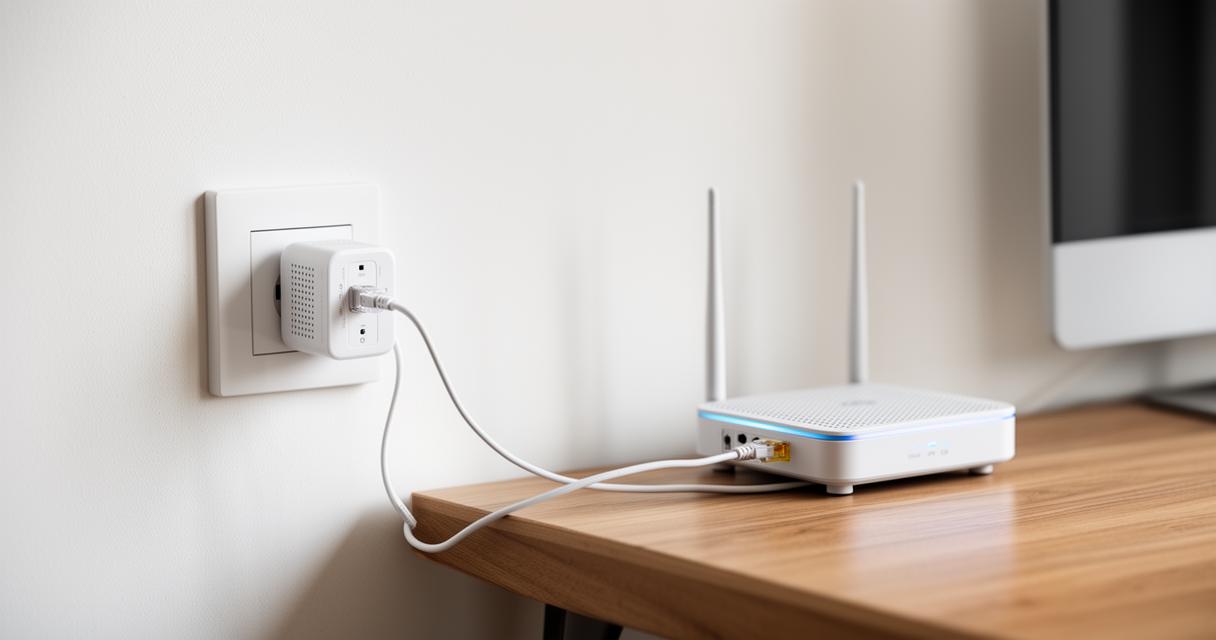
Powerline communication technology, commonly referred to as CPL or PLC, transforms ordinary electrical circuits into data transmission pathways. This innovation addresses a frequent dilemma faced by residents in larger apartments or multi-storey homes where the fibre optic socket sits far from the workspace. Rather than running an Ethernet cable spanning thirty metres or more through doorways and corridors, CPL adaptors utilise the electrical network already embedded within walls. The concept is straightforward: one adaptor connects to the Freebox via Ethernet and plugs into a standard wall socket, while a second adaptor in another room receives the signal and delivers it to connected devices. This method eliminates visible cabling and reduces installation complexity, making it particularly appealing for those seeking a cleaner aesthetic without compromising on network quality.
Compatibility between freebox models and powerline devices
Freebox routers, whether the Delta, Revolution, or other iterations, feature standard Ethernet ports that seamlessly integrate with powerline adaptors. The compatibility is universal, as these devices communicate using established networking protocols. When selecting a CPL system, attention should focus on specifications such as transmission speed, which typically ranges from several hundred megabits to over a gigabit per second. The Freebox itself serves as the gateway, distributing internet access through its wired and wireless interfaces. By pairing the router with quality powerline adaptors, users ensure that bandwidth reaches remote locations without relying solely on Wi-Fi signals that may weaken through walls and floors. This combination proves especially valuable for stationary computers requiring stable connections for tasks like video conferencing or large file transfers.
Step-by-Step Installation Process for CPL Plugs with Your Freebox
Preparing your equipment and identifying optimal socket locations
Before commencing installation, gather the necessary components: a pair of powerline adaptors and at least one Ethernet cable. Begin by identifying the socket nearest to the Freebox, ensuring it is a direct wall outlet rather than a power strip, as surge protectors and multi-socket extensions can interfere with signal transmission. The electrical network's condition plays a significant role in performance, and older wiring may introduce some bandwidth degradation. However, testing on-site remains the most reliable method to assess actual throughput. Once the primary location is determined, select the second socket in the room where connectivity is needed, again avoiding indirect power sources. The distance between these points matters less than the quality of the electrical infrastructure linking them, as signals travel through the circuit rather than in a straight line.
Connecting ethernet cables and synchronising powerline adaptors
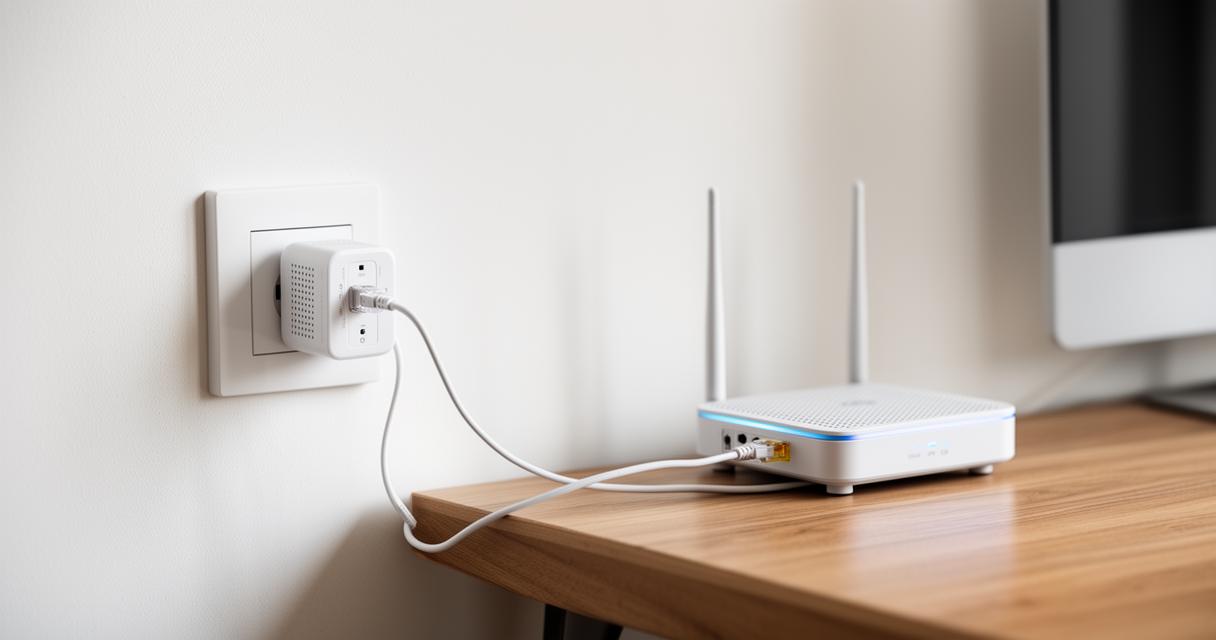
Insert the first adaptor into the wall socket adjacent to the Freebox and connect an Ethernet cable from the router's available port to the adaptor's Ethernet input. Most devices feature indicator lights that illuminate to confirm power and connectivity. Proceed to the remote location and plug the second adaptor into the chosen socket. If the adaptors require pairing, press the synchronisation buttons on each unit, typically within a short timeframe, to establish a secure encrypted connection. Once paired, connect another Ethernet cable from the second adaptor to the stationary computer or other device. The network should now extend through the electrical wiring, providing internet access without additional configuration. Should the connection fail, verify that both adaptors are on the same electrical phase and consult the manufacturer's troubleshooting guidance, as phase mismatches can disrupt communication.
Optimising network performance after cpl installation
Troubleshooting common connection issues with powerline technology
Despite the convenience of powerline adaptors, certain factors can hinder optimal performance. Older electrical installations may introduce noise or signal attenuation, reducing effective bandwidth below the rated maximum. If speeds appear slower than expected, test the adaptors in different sockets closer to the main circuit breaker to isolate interference. Appliances such as refrigerators or washing machines can generate electrical noise, so positioning adaptors away from high-power devices often improves stability. Additionally, the number of walls and the overall length of the wiring path influence signal strength, although the technology generally handles moderate distances well. For persistent issues, consider upgrading to newer powerline standards that offer improved error correction and higher throughput, ensuring that the network meets the demands of modern internet usage.
Comparing wi-fi and ethernet speeds through cpl networks
When evaluating connectivity options, wired connections through powerline adaptors consistently outperform wireless alternatives in terms of latency and reliability. Wi-Fi signals diminish when passing through multiple walls or floors, and repeaters positioned too far from the main router may offer limited benefit, as they merely extend a weakened signal. In contrast, CPL systems deliver a wired equivalent that bypasses these obstacles, providing stable performance for bandwidth-intensive applications. For scenarios where both stationary and mobile devices require connectivity, a hybrid approach proves effective: connect the primary workstation via powerline adaptors while deploying a quality Wi-Fi router or repeater positioned strategically between the Freebox and frequently used areas. This configuration balances the strengths of both technologies, ensuring comprehensive coverage without the drawbacks of excessive cable runs or unreliable wireless links. Ultimately, the choice depends on the specific layout and requirements of the household, but powerline communication remains a robust solution for bridging gaps in modern home networks.