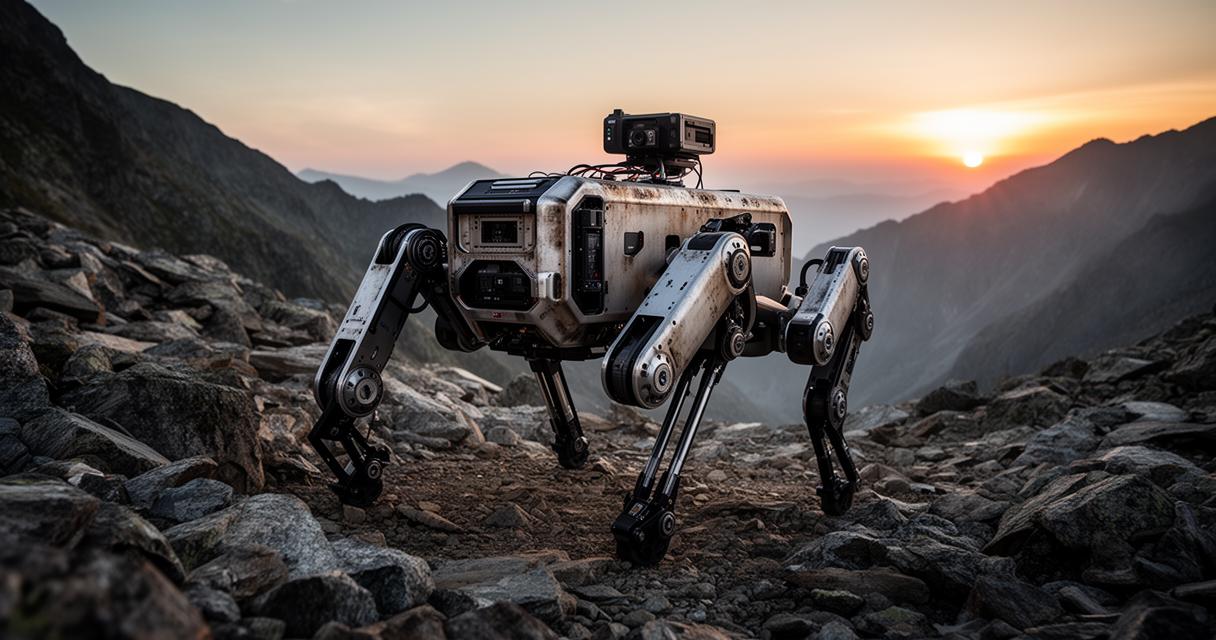
In recent years, advances in robotics have captured the imagination of industries far removed from the laboratories where these machines first took shape. One such innovation, the robotic quadruped developed by Boston Dynamics, has stirred considerable debate about its potential to revolutionise logistics and supply chain management. Originally conceived for military operations, this four-legged machine was designed to navigate treacherous landscapes and carry substantial loads, yet its journey from the battlefield to commercial enterprise has been anything but straightforward. As we examine the trajectory of this technology, questions arise about whether it represents a genuine leap forward for enterprise logistics or merely a curious novelty awaiting a practical purpose.
Engineering marvel: how boston dynamics designed bigdog to conquer challenging terrain
Animal-inspired mechanics: borrowing from nature's blueprint
The creation of the Big Dog robot stands as a testament to the power of biomimicry, where engineers look to the natural world for solutions to complex problems. By studying the gait and balance of animals such as dogs, Boston Dynamics crafted a machine that mimics the agility and stability of living creatures. This approach allowed the designers to imbue the robot with a remarkable ability to traverse uneven ground, climb slopes, and recover from slips that would topple conventional wheeled or tracked vehicles. The four-legged configuration, controlled by hydraulic actuators, provides a dynamic response to changes in terrain, adjusting each limb independently to maintain equilibrium. This animal-inspired design is not merely an aesthetic choice but a functional necessity, enabling the robot to operate in environments where traditional machinery would falter.
The sophistication of the mechanics extends beyond mere locomotion. The robot incorporates around fifty sensors that continuously monitor a range of physical parameters, from joint angles to load distribution. These sensors feed data into an onboard control system that orchestrates the movement of each leg with precision, ensuring that the machine remains stable even when navigating rocky paths or muddy trails. Such attention to detail reflects a deep understanding of how natural systems achieve both efficiency and resilience, and it underscores the ingenuity required to translate biological principles into mechanical form.
Advanced Electronics and Load-Bearing Capabilities for Military Operations
Beyond its mechanical prowess, the Big Dog robot is equipped with advanced electronics that enhance its operational capabilities. A stereo vision system, complemented by LIDAR technology, allows the machine to perceive its surroundings and navigate autonomously or under the guidance of an operator control unit. This sensory apparatus enables the robot to detect obstacles, assess the terrain ahead, and adjust its path accordingly. During testing, the machine demonstrated the ability to jump over barriers measuring 1.1 metres while carrying a full payload, a feat that highlights both its strength and its dynamic control.
The load-bearing capacity of the LS3 variant, also known as the Legged Squad Support System, is particularly impressive. Designed to carry up to 340 pounds across rough terrain, the robot was intended to unburden soldiers during extended missions. The goal was for the machine to complete a 20-mile trek within 24 hours while carrying 400 pounds, a specification that would make it a valuable asset in military logistics. The robot's average trotting speed hovers around 3.5 miles per hour, though it can exceed 7 miles per hour when pushed. These capabilities were developed with funding from DARPA, the US defence agency that has long championed innovation at the intersection of technology and national security.
Beyond the Battlefield: BigDog's Emerging Role in Civil Enterprise and Logistics
Adapting military technology for commercial supply chain solutions
Despite its impressive technical specifications, the journey of the Big Dog robot from military prototype to commercial tool has encountered significant obstacles. One of the most notable setbacks occurred when US Marines tested the LS3 and ultimately rejected it due to the noise generated by its hydraulic systems. The loud operation of the machine posed a risk to troops in the field, as it could compromise their position during operations. This operational limitation highlighted a fundamental challenge in transitioning military technologies to civilian applications: the requirements of stealth and discretion in combat do not always align with the demands of commercial logistics.
In response to this feedback, Boston Dynamics developed a quieter version called Spot, which runs on electric power rather than hydraulics. However, Spot's reduced noise comes at the cost of load-carrying capacity, and it cannot match the hefty payloads that the LS3 was designed to handle. Both the LS3 and Spot are currently in storage, with no future experiments planned by the military. This pause in development raises questions about the viability of these robots in their original military context and prompts a reassessment of their potential in civilian markets.
The acquisition of Boston Dynamics by Google in 2013 marked a turning point in the company's strategic direction. Google committed to fulfilling existing military contracts valued at 10.8 million pounds but simultaneously signalled an intention to pivot towards automation in manufacturing and industrial sectors. This shift reflects a broader recognition that the same technologies developed for defence applications might find more sustainable and scalable uses in commercial supply chains, where the emphasis is on efficiency, reliability, and cost-effectiveness rather than stealth and combat readiness.
Potential Applications in Warehousing, Delivery, and Specialist Assistance
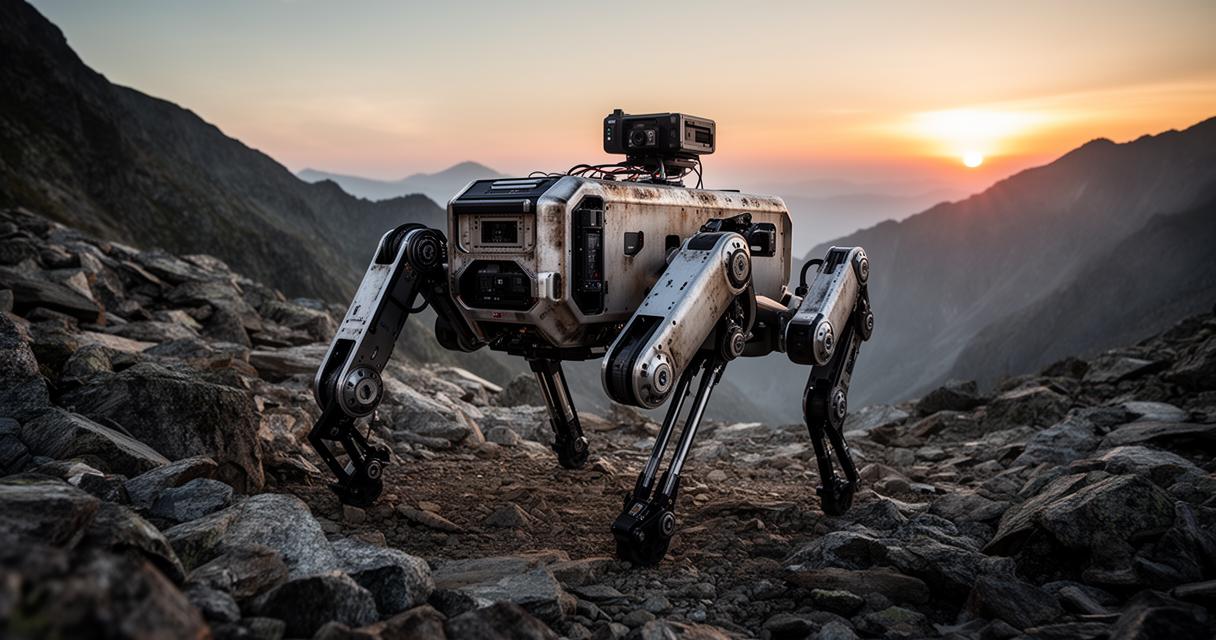
As industries worldwide grapple with the challenges of modern logistics, the prospect of deploying robotic quadrupeds in warehouses, distribution centres, and delivery networks has garnered interest. These machines could theoretically navigate the cluttered aisles of a warehouse, transport goods from one location to another, and even assist in loading and unloading shipments. Their ability to traverse uneven surfaces and adapt to obstacles could make them particularly useful in environments where traditional conveyor belts and forklifts are impractical.
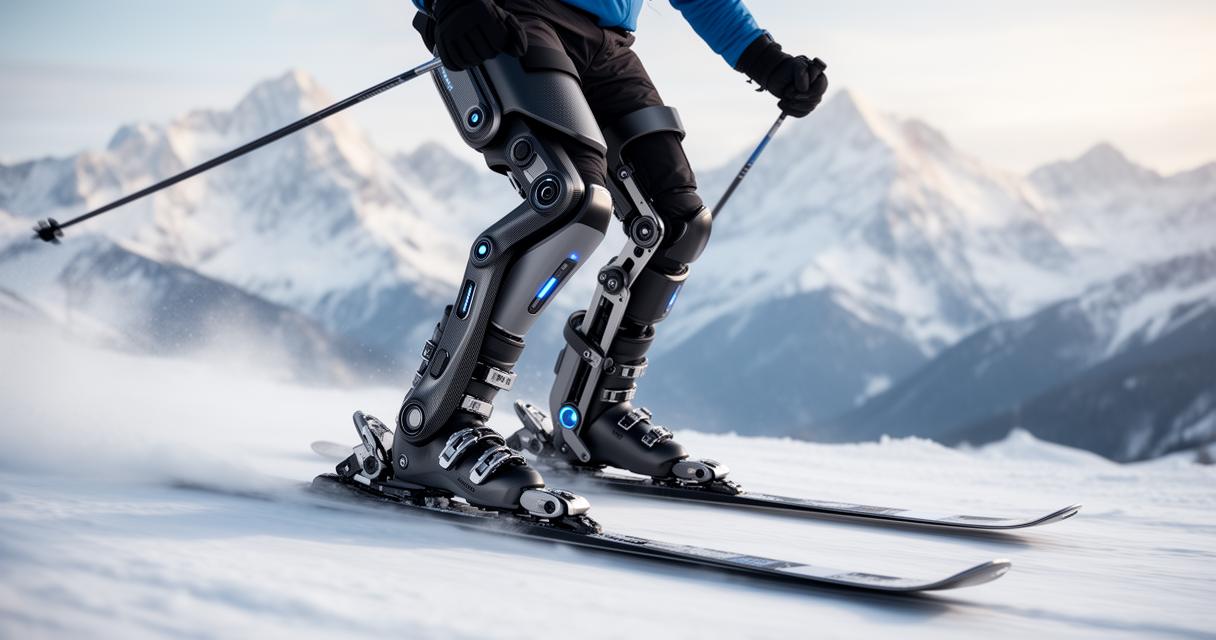
Moreover, the technology could extend beyond logistics to support individuals with specific needs. For instance, robotic quadrupeds might assist people with mobility challenges by carrying personal items over terrain that wheelchairs cannot easily manage. In disaster relief scenarios, these machines could deliver supplies to remote or inaccessible areas, operating where wheeled vehicles struggle and human responders face danger. Such applications would represent a significant expansion of the technology's reach, transforming it from a military tool into a versatile asset for civil society.
However, the transition from concept to reality requires more than technical capability. Cost, reliability, and ease of maintenance are critical factors that will determine whether these robots can compete with existing solutions. The refinement of the AlphaDog variant, which incorporates hearing sensors to respond to verbal commands, suggests that developers are working to make these machines more intuitive and user-friendly. Yet the path to widespread adoption remains uncertain, and it is unclear whether the promise of these robotic systems will translate into practical success in the commercial realm.
The Future of Human-Machine Collaboration: What BigDog Signals for Enterprise Innovation
Transforming Our Relationship with Autonomous Machines in the Workplace
The development of the Big Dog robot and its variants offers a glimpse into a future where autonomous machines work alongside humans in complex and dynamic environments. This vision of human-machine collaboration extends beyond simple automation, envisioning robots that can interpret their surroundings, make decisions, and adapt to changing conditions. Such capabilities could fundamentally alter the nature of work in industries ranging from logistics to construction, freeing human workers from physically demanding tasks and allowing them to focus on higher-level decision-making and problem-solving.
Yet this transformation also raises important questions about the role of humans in an increasingly automated world. As machines become more capable, concerns about job displacement and the need for retraining come to the fore. The integration of robotic quadrupeds into enterprise logistics will require not only technological innovation but also thoughtful consideration of how these systems can complement rather than replace human workers. This balance will be critical in ensuring that the benefits of automation are shared broadly and that the transition to a more mechanised workforce is managed in a way that supports economic stability and social wellbeing.
Prospects for Diversified Development and Support for People with Specific Needs
Looking ahead, the potential for diversified development of robotic quadrupeds is considerable. As the technology matures and costs decline, new applications are likely to emerge that we can scarcely imagine today. The ability to carry heavy loads over difficult terrain, combined with advanced sensory systems and autonomous navigation, positions these robots as versatile tools that could be adapted to a wide range of tasks. From agricultural work to emergency response, the scope for innovation is vast.
Furthermore, the prospect of using these machines to assist people with specific needs represents a particularly compelling avenue for development. By tailoring the technology to support individuals with mobility impairments or other challenges, engineers could create robots that enhance quality of life and promote independence. This humanitarian dimension adds a layer of purpose to the commercial and industrial applications, underscoring the idea that technology, when thoughtfully applied, can serve both practical and social goals.
In conclusion, the Big Dog robot and its successors stand at a crossroads. Whether they will prove to be truly revolutionary or merely an ambitious experiment in robotics remains to be seen. Their journey from military prototype to potential enterprise tool illustrates the complexities of translating cutting-edge technology into practical solutions. As Boston Dynamics and other innovators continue to refine these machines, the coming years will reveal whether robotic quadrupeds can fulfil their promise and reshape the landscape of logistics and human-machine collaboration.